
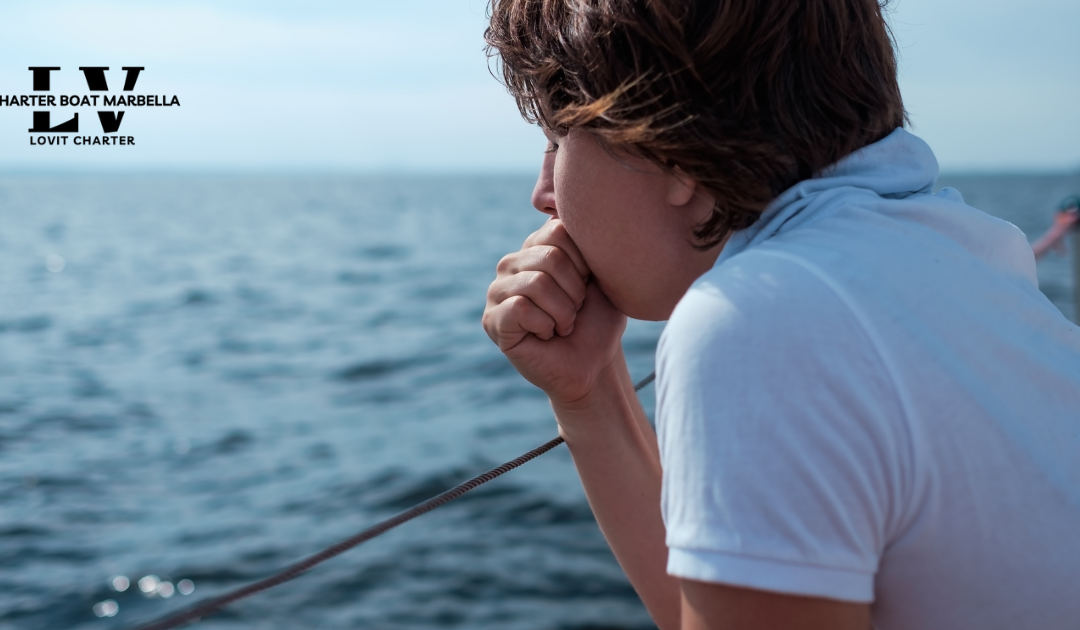
Seasickness on a boat: how to avoid it and enjoy the trip. Seasickness, also known as motion sickness, can be a common and unpleasant experience for many people when out on the water. Whether you’re planning a romantic sunset cruise, a fishing trip with friends, or a corporate team-building event, the last thing you want is for seasickness to ruin your time on the boat. In this comprehensive guide, we’ll explore the causes of seasickness, provide effective prevention and management strategies, and share tips to help you make the most of your boat trip, even if you’re prone to motion sickness.
Index
- Understanding Seasickness: What Causes It and Who Is Prone to It
- Preventing Seasickness: Effective Remedies and Techniques
- Coping with Seasickness: Tips for Managing Symptoms On-Board
- Choosing the Right Boat: How Vessel Size and Design Affect Seasickness
- Enjoying Your Boat Trip: Activities and Strategies to Overcome Seasickness
Understanding Seasickness: What Causes It and Who Is Prone to It Seasickness on a boat: how to avoid it
Understanding Seasickness: What Causes It and Who Is Prone to It
Seasickness is caused by a conflict between the information received by your eyes and your inner ear’s vestibular system. When you’re on a boat, your eyes see a stable horizon, but your inner ear senses the rocking and swaying motion of the vessel. This disconnect between visual and vestibular cues can trigger the brain to respond with nausea, dizziness, and other unpleasant symptoms.
Certain factors can increase your susceptibility to seasickness, including:
– Age: Younger people, especially children, are more prone to seasickness.
– Gender: Women tend to experience seasickness more often than men.
– Genetics: Some people are simply more predisposed to motion sickness due to their genetic makeup.
– Medication: Certain medications, such as antidepressants or blood pressure drugs, can make you more susceptible to seasickness.
– Previous experience: If you’ve experienced seasickness before, you’re more likely to experience it again.
Preventing Seasickness: Effective Remedies and Techniques Seasickness on a boat: how to avoid it
Preventing Seasickness: Effective Remedies and Techniques
The key to enjoying your boat trip is to take proactive steps to prevent seasickness before it starts. Here are some effective remedies and techniques to consider:
– Over-the-counter medication: Medications like Dramamine or Bonine can help prevent and manage seasickness symptoms. It’s best to take them before you set sail, as they work better when taken preventatively.
– Acupressure wristbands: These wearable devices apply pressure to specific points on your wrists, which can help alleviate nausea and dizziness.
– Ginger supplements: Ginger has been shown to have anti-nausea properties and can be a natural alternative to over-the-counter drugs.
– Stay hydrated and well-fed: Avoid dehydration and hunger, which can exacerbate seasickness symptoms. Drink plenty of water and have a light, easy-to-digest meal before your trip.
– Choose the right seat: If possible, select a seat near the center of the boat, where the rocking motion is less pronounced. Avoid the front or back of the vessel.

Coping with Seasickness: Tips for Managing Symptoms On-Board Seasickness on a boat: how to avoid it
Coping with Seasickness: Tips for Managing Symptoms On-Board
Even with preventative measures, you may still experience some seasickness while on the boat. Here are some tips to help you manage the symptoms:
– Focus on the horizon: Keep your eyes fixed on the stable horizon line, as this can help your brain reconcile the conflicting visual and vestibular cues.
– Stay in the fresh air: Head to the upper deck or open areas of the boat where you can get plenty of fresh air, as this can help alleviate nausea.
– Avoid strong smells: Steer clear of strong scents, such as perfumes, gasoline, or cooking odors, as they can trigger or worsen seasickness.
– Sip ginger ale or suck on ginger candies: The ginger can help settle your stomach and ease nausea.
– Rest and relax: If you’re feeling unwell, take a break and lie down in a quiet, dark area of the boat to allow your body to rest and recover.
Choosing the Right Boat: How Vessel Size and Design Affect Seasickness
Choosing the Right Boat: How Vessel Size and Design Affect Seasickness
The type of boat you choose can also play a significant role in your susceptibility to seasickness. Larger, more stable vessels tend to be less prone to rocking and swaying, which can reduce the likelihood of seasickness. Consider the following factors when selecting a boat:
– Size: Opt for a larger boat, as they generally provide a smoother, more stable ride.
– Hull design: Catamarans and boats with stabilizers are less likely to experience significant motion, which can help prevent seasickness.
– Speed: Slower-moving boats tend to have a gentler, less jarring motion, which can be easier on those prone to motion sickness.
– Seating position: Choose a seat near the center of the boat, where the rocking motion is less pronounced.

Enjoying Your Boat Trip: Activities and Strategies to Overcome Seasickness
Enjoying Your Boat Trip: Activities and Strategies to Overcome Seasickness
Even if you’re prone to seasickness, there are plenty of ways to enjoy your time on the boat. Here are some activities and strategies to help you make the most of your experience:
– Engage in conversation: Talking with friends or fellow passengers can help distract you from any discomfort and keep your mind occupied.
– Participate in on-board activities: Many boat trips offer a variety of activities, such as fishing, snorkeling, or simply taking in the scenery. Engaging in these activities can help take your mind off any seasickness symptoms.
– Bring entertainment: Pack books, magazines, or other activities to keep your mind engaged and distracted during the trip.
– Stay positive: Maintaining a positive attitude and focusing on the enjoyment of the experience can go a long way in helping you overcome any seasickness challenges.
Seasickness can be a common and unpleasant experience for many people when out on the water, but with the right preparation and strategies, you can avoid it and enjoy your boat trip to the fullest. By understanding the causes of seasickness, implementing effective prevention techniques, and learning how to manage symptoms on-board, you can ensure that your time on the water is filled with memorable experiences, not nausea and discomfort.
Whether you’re planning a romantic sunset cruise, a fishing adventure with friends, or a team-building event for your company, Lovit Charter is here to help you create unforgettable memories on the water. With our personalized service, premium amenities, and experienced captains, we’ll work with you to tailor your boat trip to your specific needs and ensure that you and your guests have a smooth, enjoyable experience, even if seasickness is a concern.
So don’t let the fear of seasickness hold you back from exploring the beauty of the Costa del Sol from the comfort of a private boat. With the right preparation and the support of Lovit Charter, you can focus on creating lasting memories and making the most of your time on the water.
FAQs
1. What is the main cause of seasickness?
Seasickness is caused by a conflict between the information received by your eyes and your inner ear’s vestibular system. When you’re on a boat, your eyes see a stable horizon, but your inner ear senses the rocking and swaying motion of the vessel, leading to nausea, dizziness, and other unpleasant symptoms.
2. Who is more prone to seasickness?
Certain factors can increase your susceptibility to seasickness, including age (younger people, especially children, are more prone), gender (women tend to experience seasickness more often than men), genetics (some people are more predisposed to motion sickness), medication (certain drugs can make you more susceptible), and previous experience (if you’ve experienced seasickness before, you’re more likely to experience it again).
3. What are some effective remedies for preventing seasickness?
Some effective remedies and techniques to prevent seasickness include over-the-counter medications like Dramamine or Bonine, acupressure wristbands, ginger supplements, staying hydrated and well-fed, and choosing a seat near the center of the boat where the rocking motion is less pronounced.